
After storm or ice damage in Columbus, Ohio: How much does chimney cap replacement cost
When a winter storm or an ice event hits Columbus, OH you need clear answers fast. You want to know what replacing a chimney cap will cost, whether your homeowner insurance will pay, and whether a missing or damaged cap is the reason a Victorian house in German Village suddenly has water stains on interior plaster. This article gives practical cost ranges, explains how insurance typically responds to storm or ice damage, shows why historic brick chimneys are vulnerable, and describes the realistic time frame for replacing a cap on a brick chimney during winter. You will also find what to document for claims and which local services can perform a safe, code-compliant replacement.
Key takeaways
- Typical chimney cap replacement in Columbus ranges by material and complexity; expect $200 to $1,200 for most residential jobs.
- Insurance may cover storm or ice damage if your policy includes sudden physical damage and you can document pre-loss maintenance.
- A failing chimney cap can allow water and ice into mortar joints and flue liners, which frequently leads to leaks in historic Victorian homes in German Village.
- Winter replacements are feasible; most residential cap swaps take one to three hours, but weather and roof safety can extend the job.
- Have a local certified technician inspect the chimney, document damage, and provide photos and an itemized estimate for insurance claims.
Typical cost ranges for chimney cap replacement in Columbus, OH
You will see a wide price range because chimney cap cost depends on material, size, attachment method, and roof access. In Columbus, expect these ballpark numbers for a single-family home with a standard brick flue:
- Basic stainless steel cap, prefabricated, simple saddle mount: $200 to $450 installed.
- Heavy gauge 304 stainless or copper with custom fabrication for a multi-flue crown: $450 to $900.
- Fully custom copper caps or commercial-grade stainless for tall or irregular chimneys: $900 to $1,200 or more.
Factors that affect price:
- Roof access and safety set up, especially on steep pitches or tile roofs.
- Number of flues and whether the cap covers multiple openings.
- Need to repair the chimney crown or brick beneath the cap first.
- Local building codes and fastening requirements.
If your chimney needs any brick or crown work, those repairs change the estimate. For example, a small patch of brick tuckpointing or a crown repair can add several hundred dollars. When you call for an inspection, request a written estimate that separates cap cost, materials, and any chimney repair work so you can present clear documentation to your insurance company.
For a local, professional cap replacement carried out to code, book an inspection and estimate with Chimcrew - Chimney Sweep & Repair on our chimney cap replacement page: services chimney cap replacement.
Who pays: homeowner or insurance after storm or ice damage?
Insurance handling depends on your policy language and on documentation that proves the damage was caused by a covered event.
What increases the chance of a covered claim:
- A documented, sudden event such as a windstorm, ice fall, or a falling tree limb.
- Clear before and after photos showing intact cap before the event and visible damage after the event.
- An inspector or contractor report that links the cap failure to the storm or ice, rather than to long-term neglect.
What tends to be denied:
- Damage caused by wear and tear or lack of maintenance, for example rusted bolts or years of missing flashing.
- Gradual deterioration such as slow corrosion of the cap over many seasons.
How to submit a strong claim:
- Take dated photos immediately after the storm, of the cap, crown, flashing, and interior signs of water entry.
- Keep your maintenance records, sweep receipts, or previous inspection reports that show reasonable care.
- Get an itemized repair estimate that separates emergency temporary measures, cap replacement, and any masonry work.
An adjuster may approve the cap replacement if they determine the loss was sudden and accidental. If the adjuster questions preexisting conditions they often pay for storm-caused portions of the damage but not for routine maintenance. If you need help documenting loss and communicating with your carrier, Chimcrew - Chimney Sweep & Repair technicians can provide an inspection report and photos to support your claim. For masonry-related coverage questions that arise when a damaged cap exposes the crown or brick, see our chimney repair services: chimney repair columbus.
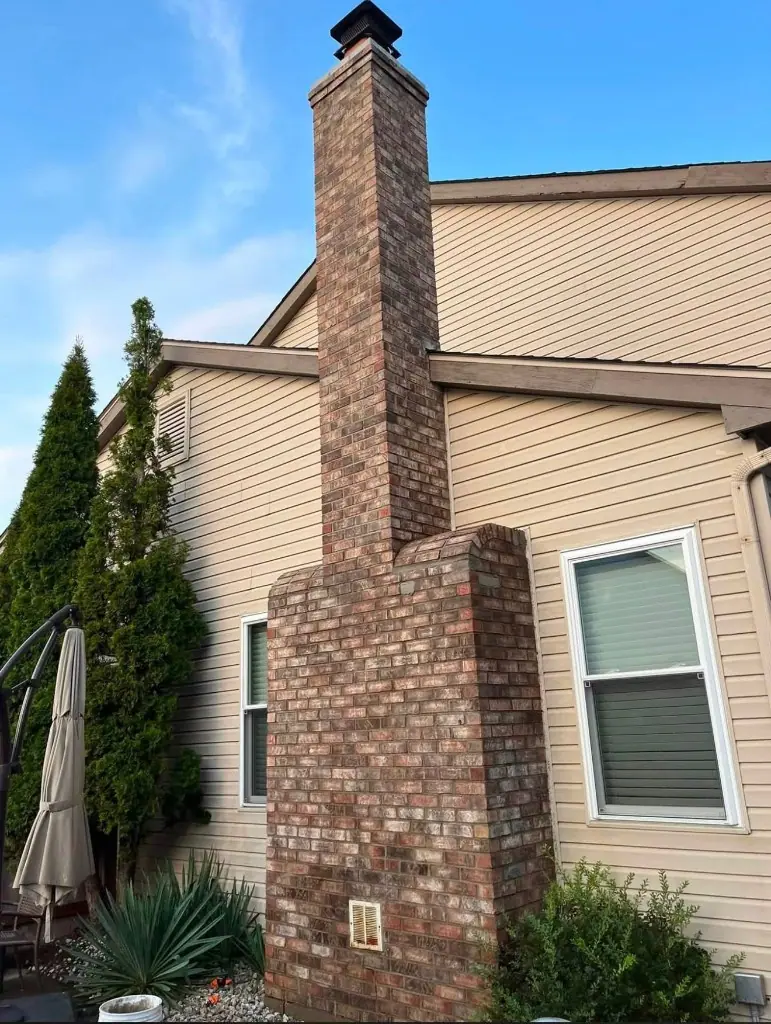
Can a damaged chimney cap cause leaks in Victorian homes in German Village?
Yes, a damaged or missing cap commonly causes leaks in older brick homes in German Village and other historic neighborhoods. Victorian chimneys have specific vulnerabilities:
- Older mortar and thin flue liners allow water to migrate faster into the masonry.
- Decorative crown shapes and multiple flues increase the number of seams where water can enter.
- Historic roofs often have complex penetrations and valleys that can direct runoff toward the chimney base.
How a faulty cap leads to interior leaks:
- Rain or melting ice enters the flue and soaks the mortar and bricks.
- Water migrates down the chimney and reaches the attic, then the plaster and lath below.
- Freeze and thaw cycles expand moisture in the masonry, worsening cracks and creating larger paths for water.
Signs to watch for in a Victorian home:
- Rust streaks on siding below the chimney or on the plaster ceilings.
- Crumbling mortar, loose bricks, or spalled masonry at the top of the chimney.
- Damp insulation in the attic near the chimney chase.
If the cap is bent, missing, or has a damaged screen, replacing it quickly reduces further water intrusion. Often you will also need some crown or brick repair. We perform cap repair and crown replacement; see our cap repair and crown services for combined solutions: services chimney cap repair and services chimney crown replacement.
How long does it take to replace a chimney cap on a brick chimney in winter?
You can replace most residential chimney caps in winter. Typical timelines:
- Simple replacement on an accessible roof: one to three hours from setup to cleanup.
- Replacement that requires minor crown repairs or tuckpointing: one half day.
- Custom caps or jobs needing scaffolding and extensive masonry work: one to two days.
Winter considerations that can extend the job:
- Ice and snow on the roof increase safety precautions, which takes additional time.
- Cold mortar sets slower, so any necessary tuckpointing or crown repair may require thawing or cold-weather mortars that have different cure times.
- Short daylight hours can limit when a crew can safely work on the roof.
Typical process on a winter day:
- Safety and access setup, including roof harnesses and, if needed, a temporary walkway.
- Remove the old cap and inspect the crown, flashing, and brick.
- Secure temporary water control if necessary, then install the new cap with stainless hardware or custom bolts.
- Photograph the work, clean the area, and leave documentation for your records or insurance.
If a quick temporary cap is required to stop active leaking, crews can install a temporary cover the same day and complete permanent work when conditions improve. For projects that combine cap replacement with brick repair or crown replacement, schedule in advance because winter sequencing and curing may require planned stages. For examples of completed work in Central Ohio and German Village, view our before and after gallery: before after.
Choosing the right cap and what to expect during an inspection
During an inspection, the technician determines these items:
- Flue layout and number of flue openings.
- Flue size and whether liners are intact.
- Condition of the crown, flashing, and surrounding brick.
- Roof access and safety needs.
Cap options and recommendations for Columbus homes:
- Prefabricated stainless steel: budget-friendly, durable against ice and road salt.
- Heavy gauge 304 stainless: better for multi-flue or exposed chimneys.
- Copper: long-term aesthetic choice for historic homes in German Village, but higher cost.
- Custom fabricated multi-flue caps for irregular chimney crowns.
Expect your inspection report to include:
- Photos of damage and measurements.
- Itemized cost for cap, hardware, and any required masonry work.
- A recommended schedule and safety notes for winter work.
If you want capped ventilation or spark arrestor options, discuss code requirements and local fire department guidance during the inspection. A properly fitted cap restores draft performance and protects the chimney from further water and animal intrusion.
How Chimcrew - Chimney Sweep & Repair handles storm and winter cap replacements in Columbus
You will work with a certified chimney technician who knows local building practices and the seasonal realities in Columbus. Our approach includes:
- Fast inspection appointments after storm calls.
- Photo documentation and written estimates for insurance claims.
- On-site safety equipment for winter roof work and temporary leak control when needed.
- Options for stock stainless or custom-fabricated copper caps.
Contact and scheduling:
- Call us at (614) 683-5763 for an inspection and emergency winter service.
- If your claim needs documentation, ask for a claim-ready report and itemized invoice.
We aim to replace caps quickly to stop water intrusion, then complete any masonry work as weather allows. For combined brick repair and cap work, we handle both the cap and the underlying masonry so you do not have to coordinate multiple contractors: services chimney brick repair.
Frequently asked questions
How much does it cost to replace a chimney cap?
Typical replacement in Columbus ranges from about $200 for a simple stainless stove to $1,200 or more for custom copper or large multi-flue installations. Final cost depends on material, number of flues, roof access, and whether the chimney crown or flashing needs repair. Ask for an itemized estimate that separates the cap, labor, and any masonry work for insurance purposes.
Can I replace a chimney cap myself?
You can replace some prefabricated caps yourself if you are comfortable on the roof and the chimney is easily accessible. However, safety risks, code compliance, and proper anchoring make professional installation the better choice for most homeowners. We also recommend a professional inspection first to check the crown, flashing, and flue liners, because problems discovered during removal can require immediate repair.
How do I know which chimney cap to get?
Choose a cap based on flue size, number of flues, exposure to weather, and your budget. Stainless steel works well for durability and cost efficiency. Copper offers longevity and matches historic aesthetics in German Village but costs more. A technician should measure the flues, assess the crown and flashing, and recommend either a prefabricated model or a custom-fabricated cap that fits securely and meets local code.
Why are chimney caps so expensive?
Perceived high cost often comes from factors beyond the metal itself. Custom fabrication, stainless or copper materials, safe roof access, and any related masonry work increase the final price. Labor for safe installation on a roof, hardware rated for freeze and thaw cycles, and the need to make the installation weatherproof all contribute to costs. An itemized quote will show material cost separately from labor and any required repairs.
Ready to get started? Contact Chimcrew - Chimney Sweep & Repair today.
Call (614) 683-5763Request service online