
How Much Does Chimney Cap Replacement Cost in Columbus
By Chimcrew - Chimney Sweep & Repair Editorial Team · 3 min read
A reasonable Columbus range for chimney cap replacement is $175 on the low end up to $1,800 for complex, custom jobs. The main things that move a quote are cap material, how many flues you have, and how hard it is for a crew to reach your chimney. You can use the estimates below to set a budget and decide whether to book an on-site inspection.
TL;DR
- Expect chimney cap replacement in Columbus to range roughly from $175 to $1,800 depending on material and access.
- Access, number of flues, and existing masonry condition usually change price more than the cap material alone.
- A professional on-site inspection gives a reliable, line-item estimate and identifies needed repairs beyond the cap.
- Prepare clear roof access and photos before the visit to speed the estimate and avoid surprises.
Primary cost factors that change price
These are the line items that most affect what you will pay for chimney cap replacement in Columbus.
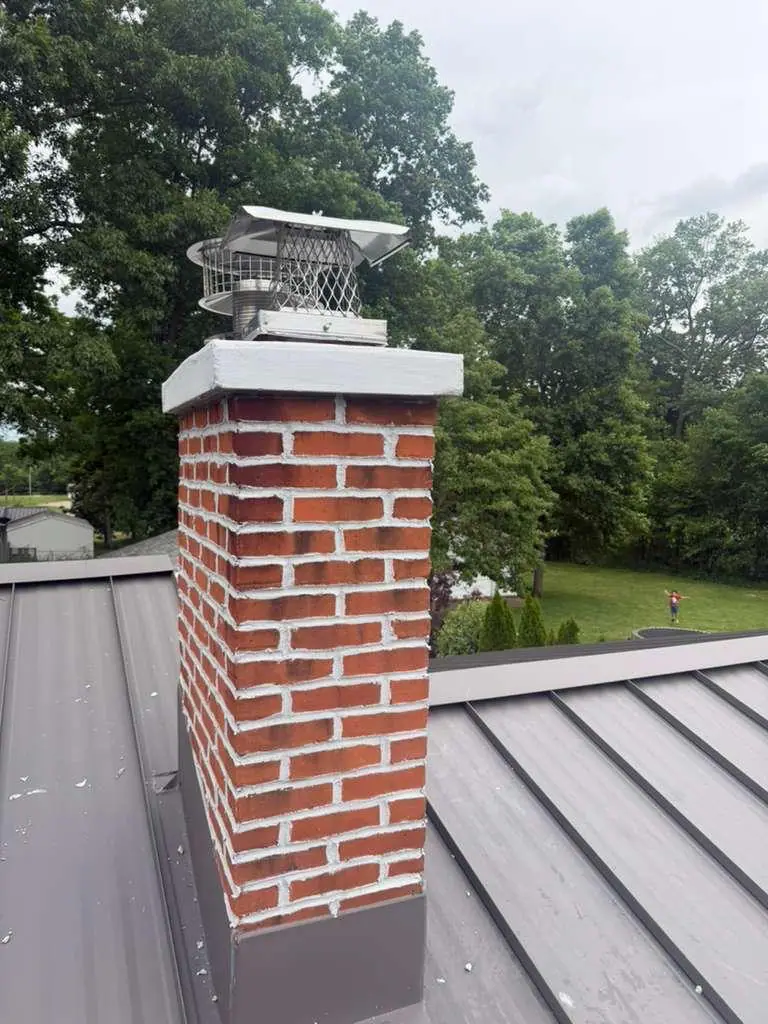
Stainless steel is commonly the best-value option for Columbus because it resists rust from freeze-thaw cycles. Copper and custom-fabricated caps cost more but last longer and suit historic homes.
Single-flue caps are cheapest. Multiple flues, large crowns, or custom shapes increase material and labor time.
A ladder-access job is lowest cost. Two-story roofs, steep pitches, or confined yards can require scaffold or a boom lift and raise the price.
If the flue crown, chase, or liner needs repair, the cap replacement cost often increases because of added labor or temporary seals.
Most simple cap swaps do not need a permit, but installations that alter masonry or add scaffold in public right-of-way may. Permit fees or inspection visits add to total cost.
Winter freezes can cause more visible chimney damage. Busy fall and early winter schedules may increase lead time and occasionally premium pricing.
Warning signs you need a new cap
- Visible rust or holes in an existing cap, lets water and animals in.
- Water stains on the ceiling, mantel, or inside the flue liner.
- Evidence of animal nesting or frequent debris inside the flue.
- Mortar loss or cracking at the crown where a cap anchors.
- Persistent downdraft or smoke entering the room when the flue is open.
DIY smoke test: Light an incense stick, hold it near the open flue and note whether smoke is drawn up or pushed back into the room. Perform this only when the fireplace has been cool and there are no active embers.
How to prepare for the visit
- Clear driveway or note best parking for a work vehicle.
- Secure pets and keep children away from work zones.
- If you have photos of the chimney or previous inspection reports, have them available.
- Note whether the fireplace is used and what fuel (wood, gas, pellet).
- If a neighbor or HOA restricts scaffold placement, mention that when booking.
Having this information ready shortens the inspection and reduces surprises in the estimate.
Common cap types, pros, cons, and typical installed cost
Choose a cap based on your flue use, look you want, and how long you want it to last. Prices shown are typical Columbus installed ranges.
| Cap type | Pros / Cons | Typical installed cost |
|---|---|
| Stainless steel | Pros: Rust resistant, affordable, good for active fireplaces. Cons: Visible mesh may not match historic homes. | $175 to $650 |
| Copper | Pros: Attractive, long life, looks good on historic chimneys. Cons: Higher material cost. | $600 to $1,500 |
| Galvanized steel | Pros: Low upfront cost. Cons: Prone to rust over time in Ohio climate. | $150 to $400 |
| Custom-fabricated sheet metal | Pros: Fits odd shapes and multi-flue crowns, made to order. Cons: Most expensive, longer lead time. | $700 to $1,800+ |
| C-cap or cast-in-place cover | Pros: Simple, used mostly for disused flues. Cons: Not ventilated for active fireplaces, looks utilitarian. | $200 to $600 |
Decision guide: replace now, repair temporarily, or monitor?
If the cap is letting water into the flue, replace it now to avoid more expensive interior damage. If the issue is minor surface rust and the flue is not used, a temporary repair or monitoring may be acceptable for one season. If the crown or masonry is failing, consider addressing those repairs before or at the same time as the cap, because a new cap on poor masonry can fail sooner.
Decision quick rules:
- Replace now if you see active leaks, rust holes, or animal entry.
- Temporary fix and monitor if the cap has light surface rust and the flue is disused.
- Schedule a full inspection if you see crown cracking, loose mortar, or structural movement.
Expert note from a local chimney professional
Typical inspection and replacement timeline
What to expect from first contact to finished job when you schedule a cap replacement.
- 1Request and scheduling
You provide address, roof height, and flue use. The pro schedules a visit and confirms safe access and parking. - 2On-site inspection
Technician checks the crown, flue openings, mortar, and roof access, and measures the flue. This takes about 20 to 45 minutes. - 3Estimate and decision
Expect a line-item estimate that separates materials, labor, and any access equipment. Review and approve before work begins. - 4Replacement day
Work is typically finished the same day. Simple single-flue jobs often take 1 to 2 hours; complex or multi-flue jobs can take 3 to 6 hours. - 5Cleanup and follow up
Contractor removes debris and takes photos. Keep the estimate for future maintenance and inspections.
How to get your on-site quote
Provide the address, roof height (single or multi-story), and whether the fireplace is active when you call or fill a contact form. Clear photos from the yard are helpful. Expect the inspector to ask about parking and access. To book an inspection with a local provider call (614) 683-5763 or visit their chimney cap replacement page above.
Columbus-specific considerations
Freeze-thaw cycles in central Ohio accelerate rust and mortar deterioration, so caps that block water entry and resist corrosion perform better. Fall is the busiest season because homeowners schedule work before heating season, so plan ahead if you want a specific material or custom cap. Older Columbus neighborhoods often have multi-flue or decorative chimneys that need custom fitting; allow time for measurement and fabrication. If street parking or scaffold placement will affect neighbors, check local permit needs with the city or homeowner association before work begins.
Frequently asked questions
How long does a chimney cap last?
Lifespan depends on material and local conditions. Stainless steel caps often last 10 to 25 years. Copper can last 25 years or more. Galvanized caps often show significant corrosion sooner in freeze-thaw climates. Regular inspections help spot problems early.
Will insurance cover chimney repair?
Insurance coverage varies by policy and by the cause of damage. Sudden storm damage or a falling tree is more likely to be covered than wear-and-tear or neglect. Document damage with photos and contact your insurer to confirm coverage before major repairs.
What is the average cost to install a chimney cap?
Average installed costs commonly fall between $300 and $650 for a single-flue stainless steel cap in Columbus. Lower-cost galvanized caps can be under $200, while custom or multi-flue copper work can exceed $1,000.
What is the concrete cap on a chimney called?
The concrete cap is commonly called the chimney crown. It sits atop the masonry and sheds water away from the flue. A damaged crown often needs repair or replacement before a new cap is installed to ensure a proper, long-lasting fit.
Ready to get started? Contact Chimcrew - Chimney Sweep & Repair today.
Call (614) 683-5763Request service online