Columbus homeowners with older clay liners: When should you replace a chimney liner after
If your Worthington Colonial or Clintonville brick house still has an original clay tile liner and you experienced a chimney fire or ongoing smoke backdrafts, you need a clear, decisive plan. Clay liners installed decades ago become cracked and loose from freeze thaw cycles, soot build-up, and high heat events. In Columbus winters, that wear accelerates as moisture and freeze cycles pry tiles apart. You should schedule an inspection right away with a licensed chimney company that performs a camera inspection and full safety report.
Chimcrew - Chimney Sweep & Repair inspects homes in Worthington, Clintonville, German Village, and nearby neighborhoods. We provide a written assessment and recommend liner replacement when a chimney fire, repeated backdrafting, or visible tile failure is present. This post explains when replacement is required, realistic cost and timeline for a two-story Colonial in Worthington, and whether you can safely use your fireplace while waiting for repairs.
Key takeaways
- Clay liners in older Columbus homes are brittle and often require replacement after a chimney fire or persistent backdrafts.
- A typical stainless steel liner installation for a two-story Colonial in Worthington runs between $2,200 and $4,500 depending on tech access and appliance type.
- If a chimney fire or visible liner damage exists, stop using the fireplace until a certified inspection and repair are completed.
- Chimcrew - Chimney Sweep & Repair performs a camera inspection, measures appliance needs, and coordinates necessary crown, cap, and liner work to restore safe operation.
Why older clay liners fail and why a chimney fire changes the equation
Clay tile liners were common in midcentury chimneys and are still found in many Old Worthington and Victorian-era homes in downtown Columbus. They fail for predictable reasons:
- Thermal shock and cracking: Rapid temperature changes during a chimney fire or hard wood fires can crack or spall tiles.
- Mortar failure: The mortar joints that hold tiles in place deteriorate with freeze, moisture, and chimney use.
- Corrosion from creosote: Heavy creosote deposits can trap heat and lead to localized overheating.
- Structural movement: Settling foundations or chimney crown failure allow tiles to shift and separate.
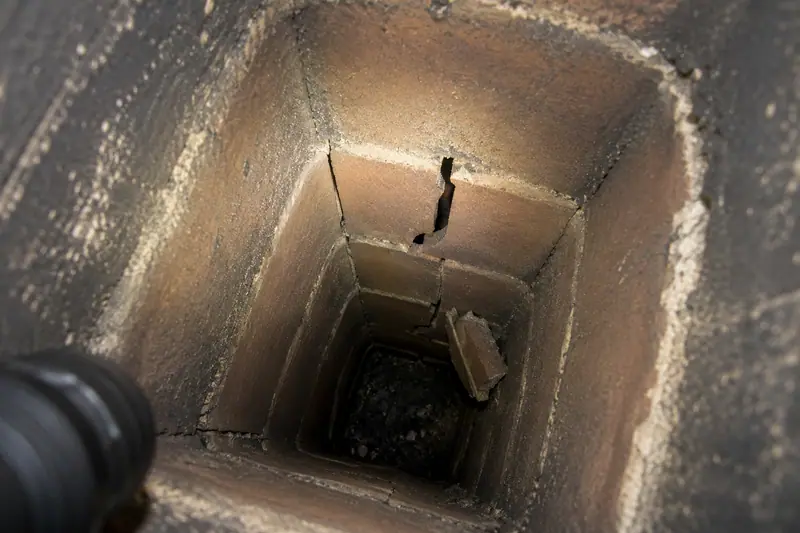
A chimney fire is not a minor event. The heat can fracture tiles, loosen joints, and remove the protective air gap a liner provides. After a confirmed or suspected chimney fire you should assume the liner is compromised until inspected. That inspection is both visual and mechanical, typically including a full sweep, a chimney camera run, and an assessment of related components such as the chimney crown and cap. If you want to read about our broader chimney repair services in Columbus, see our page on chimney repair in Columbus.
Recognizing the signs that mean you need a new liner now
Replace the liner promptly if you observe any of the following:
- Visible cracks or missing tiles inside the flue during a camera inspection.
- Persistent smoke backdrafts into the room despite cleaning and airflow adjustments.
- Soot or creosote that flakes off in large pieces, indicating deep deposits and heat damage.
- A history of chimney fires, even if you did not see flames coming from the flue.
- Heat transfer: hot spots or discolored mortar on the exterior of the chimney.
- Corrosion or holes in an older metal liner.
Persistent backdrafting can mean the flue no longer draws properly, or the liner shape is compromised. In Columbus, seasonal pressure changes and tightly sealed homes can make backdrafts worse, but internal liner damage remains the most serious cause. If you are unsure, book a camera inspection and sweep so you have a written condition report to base decisions on.
What chimney liner installation costs and how long it takes for a two-story Worthington Colonial
Costs vary by liner type, flue length, chimney access, and whether related repairs are required. For a two-story Colonial in Worthington, expect the following ballpark ranges for a single appliance flue:
- Insulated stainless steel liner: $2,200 to $4,500. This is the most common recommended option for fireplaces and wood stoves because it resists heat, corrosion, and creosote.
- Flexible stainless steel liner for gas appliances: $1,800 to $3,200, smaller diameter and less labor intensive.
- Cast-in-place or poured-in-place liners: $4,000 to $7,500 when structural issues demand a new masonry lining.
Time on site:
- Typical stainless steel liner replacement for a two-story house: 1 day for straightforward access and single flue work. The crew runs the liner from the appliance up through the chimney, installs a top plate and cap, and tests draft.
- If the chimney needs a new crown, cap, or extensive masonry repairs, add 1 to 3 days or schedule follow-up work.
Price drivers you will see on the estimate:
- Roof access and pitch: steep roofs and multiple chimney offsets increase labor.
- Appliance transition pieces: connecting to a wood stove versus an open masonry fireplace requires different adapters.
- Need for crown or cap replacement: if the chimney crown is cracked we will reinstall a proper crown and a chimney cap replacement may be required to prevent water ingress.
For installations we perform, we always match liner sizing to the appliance and conduct a smoke test after installation. For details on our liner work see our liner install page.
Can you keep using your fireplace while waiting for a liner replacement?
Short answer: Do not use the fireplace if there was a chimney fire, visible liner damage, or ongoing smoke backdrafts. Safety steps to follow:
- Stop burning solid fuels immediately if you suspect liner damage. Creosote and tile cracks can cause another fire or allow combustion gases into living space.
- If inspections show only minor soot and no structural damage, you may be cleared to use the fireplace after a professional sweep and a written clearance.
- For gas appliances, a licensed technician should inspect the venting system before continued use.
Practical alternatives while you wait:
- Use central heat or electric supplemental heaters to reduce reliance on the fireplace.
- If you had planned a temporary gas log insert, do not install it unless a certified liner evaluation confirms the flue meets venting requirements.
Your Chimcrew - Chimney Sweep & Repair technician will provide a clear go or no-go recommendation after the camera inspection and sweep. If you need immediate help or suspect a continuing hazard, call us at (614) 683-5763.
How Chimcrew - Chimney Sweep & Repair inspects, repairs, and completes a liner replacement
Our process is built for safety, clarity, and minimal disruption:
- Initial phone consultation and scheduling. We gather address, appliance type, and any history of fires or smoke issues.
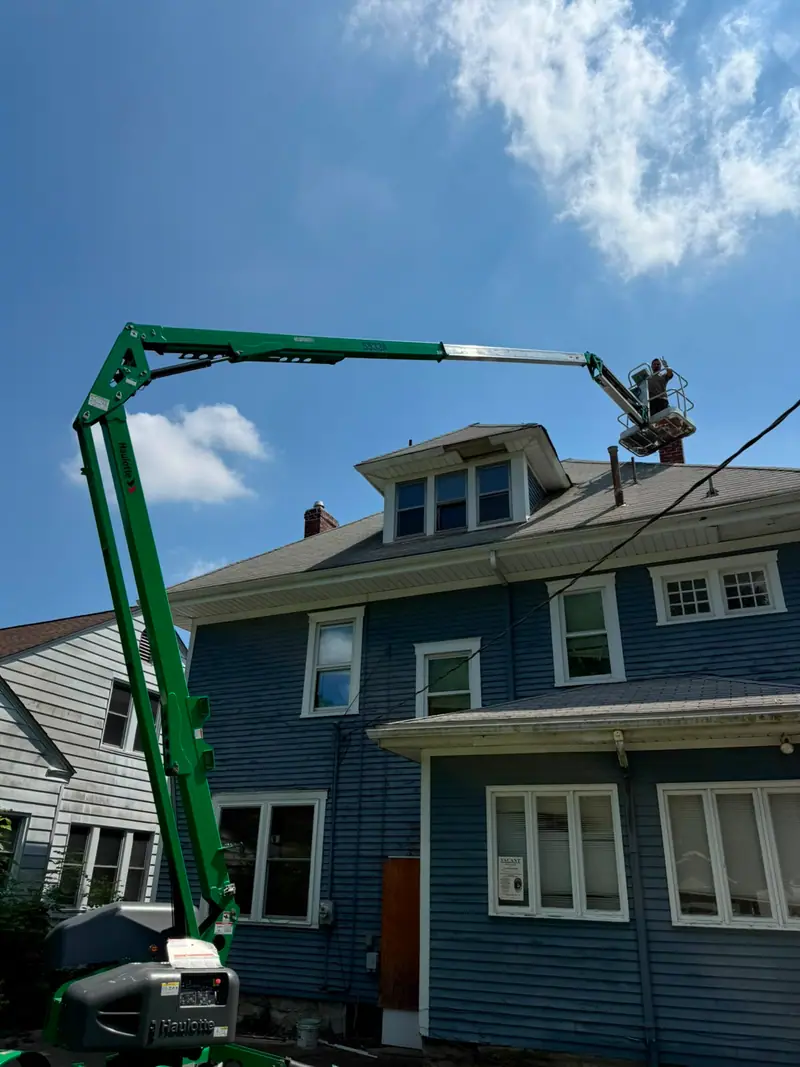
- On-site inspection: sweeping, camera inspection, and measurement. We document tile condition, offsets, and chimney height.
- Written estimate: we list recommended repairs, cost breakdown, and timeline, including items like a new crown or cap when needed.
- Installation day: the crew sets up roof protection, installs an insulated stainless steel liner or specified product, secures a top plate, and installs a cap. We test draft and clean the area.
- Final walkthrough and documentation: you receive before and after photos and the condition report. See examples on our before after page.
We often coordinate related repairs such as a new chimney crown or cap to prevent recurring water damage. If the crown is cracked we will recommend a chimney crown replacement as part of the work.
Seasonal and neighborhood considerations for Columbus and Worthington homeowners
Columbus climate and specific neighborhood conditions affect liner life and timing:
- Freeze and thaw cycles from November through March accelerate mortar failure in Worthington and northern Columbus neighborhoods like Clintonville.
- Older homes in the Historic District and near the Scioto Mile may have original chimneys with clay tiles that need closer monitoring.
- Tight, energy-efficient homes in newer subdivisions can increase backdraft events unless the flue and liner are sized and sealed correctly.
Plan inspections before heavy use in late fall. Scheduling a sweep and camera inspection in September or October lets you avoid emergency repairs in winter. If you are in Worthington or the surrounding North Side neighborhoods and want a precise inspection and quote, contact Chimcrew - Chimney Sweep & Repair at (614) 683-5763 for same week visits in many cases.
Frequently asked questions
How much does it cost to have a chimney liner installed?
Typical cost ranges in Columbus depend on liner type and chimney access. For a two-story Worthington Colonial expect $2,200 to $4,500 for an insulated stainless steel liner. Flexible liners for gas appliances can be $1,800 to $3,200. If the chimney needs masonry repair or a new crown or cap, plan for additional expenses. Chimcrew - Chimney Sweep & Repair provides a written estimate after a camera inspection so you know exact costs for your home.
Can you install a chimney liner yourself?
No. Installing a chimney liner requires experience with sizing, flue connectors, and proper fastening at the top and the appliance. Improper installation can create draft problems, increase creosote buildup, or cause carbon monoxide hazards. Chimcrew - Chimney Sweep & Repair technicians are trained and insured; we perform the full installation, testing, and documentation to ensure the system vents safely.
What are the common problems with chimney liners?
Common issues include cracked or missing clay tiles, collapsed or corroded metal liners, improper sizing for modern appliances, and blocked or poorly supported flexible liners. These problems cause poor draft, smoke backdrafts, heat transfer to combustible materials, and increased risk of chimney fires. Regular inspections and timely repairs prevent escalation.
Can you put a liner in an old chimney?
Yes. Most old chimneys can be relined with a stainless steel liner or other approved systems, even if the existing clay tiles are damaged. In some cases cast-in-place liners are a better solution when the chimney structure is compromised. Chimcrew - Chimney Sweep & Repair evaluates the flue with a camera and recommends the safest, code-compliant option for your chimney and appliance.
Ready to get started? Contact Chimcrew - Chimney Sweep & Repair today.
Call (614) 683-5763Request service online