
How long does a fireplace inspection take for a two-story Columbus craftsman and what
If you own a two-story craftsman in Columbus, whether in German Village, Clintonville, or near the Ohio State campus, you know our winters put real demands on wood and gas fireplaces. A fireplace inspection for that type of house usually takes between 60 and 120 minutes. The exact time depends on three factors: the inspection level required, the condition of the chimney and flue, and how easy roof and attic access is.
You will get a written report at the end with clear findings, photos, and recommended next steps. This article explains typical inspection times for Level 1 and Level 2 work, what defects commonly appear on reports for older Columbus craftsman homes, and how to interpret the severity ratings and timelines. If your inspection results require repairs, we can schedule chimney repair work through our chimney repair columbus page and discuss priorities for safety and code compliance.
Key takeaways
- A standard Level 1 or Level 2 fireplace inspection for a two-story craftsman in Columbus typically takes 60 to 120 minutes.
- Reports focus on creosote, masonry condition, flue obstructions, and damper functionality, with clear action items and timelines.
- Weather, roof access, and whether the chimney has previous repairs change the inspection time and scope.
- If the report lists imminent hazards you must stop using the fireplace until repairs are completed by a qualified technician.
What determines inspection duration in Columbus homes
Inspection time is not arbitrary. Expect these items to shape the duration.
- Inspection level: A Level 1 inspection is the quickest. A Level 2 inspection adds the use of a camera and often takes longer. See our services level 1 inspection and services level 2 inspection pages to compare scopes.
- Access challenges: Craftsman roofs with steep pitches around Victorian porches or second-floor dormers need careful access. If we must use attic access instead of a straight roof approach, that adds time.
- Presence of a working appliance: If your fireplace is active, we will perform additional checks on the firebox, damper, and appliance connections for gas units. For gas fireplaces, we follow gas appliance service procedures listed on our services gas fireplace service page.
- Visible deterioration: If masonry is crumbling, flashing leaks are suspected, or there is heavy creosote, we will document more detail and sometimes perform minor exploratory work. That adds minutes to ensure accurate findings.
- Safety protocols: On rainy or icy days in Columbus you should expect slower work because we follow fall protection and ladder safety practices.
Average time windows:
- Level 1, clear access, no issues: 45 to 75 minutes.
- Level 1, limited access or minor issues: 75 to 90 minutes.
- Level 2, camera inspection and attic/roof access: 90 to 120 minutes.
- Level 2 with active remediation recommendations or stuck dampers: up to 150 minutes during the visit, because we will document and take photos.
Typical items on the written report and what they mean
Your written report will be organized, photographed, and prioritized. Expect clear categories and recommended timelines.
- Identification and scope
- Photographs of the chimney, flue, and critical defects
- Condition ratings: safe to use, repair recommended, repair needed before use
- Recommended work and estimated costs
Common issues you will see documented for Columbus craftsman homes:
- Creosote accumulation: Tall, narrow flues in older homes often develop thick creosote. The report will state the creosote class and whether sweeping is required.
- Masonry cracks and spalling: Freeze and thaw cycles around the Scioto River and Olentangy Parkway cause mortar loss and brick spalling. Reports will specify whether tuckpointing or crown repair is needed.
- Flue obstruction: Bird nests, debris, or animal intrusion in the flue are common in older tree-lined neighborhoods like Upper Arlington and Bexley. An obstruction will be labeled as immediate hazard if it blocks passage.
- Damper failure: A stuck or misaligned damper reduces draft and can allow smoke into living spaces. The report will note whether the damper can be repaired during a service call or needs replacement.
- Chimney cap or flashing failure: Leaks around the chimney lead to interior damage. A missing cap or failed flashing will be recorded and usually prioritized for repair.
- Liner damage: Cracked or collapsed liners are safety issues. If a liner is compromised the report will recommend relining or installation of a new stainless steel liner.
Each item will include a suggested timeline. For example, active obstructions and liner defects typically receive a recommendation to stop using the fireplace until corrected.
Level 1 versus Level 2 inspections explained for your craftsman
Knowing which inspection you need saves time and sets expectations for the written report.
- Level 1 inspection: This is the baseline. We inspect readily accessible components, the visible interior of the firebox, the accessible portions of the chimney, and the chimney termination. This is appropriate if there have been no changes to the system and no known problems.
- Level 2 inspection: Required when you change or connect appliances, when you suspect a problem, or when real estate transactions occur. A Level 2 includes a camera run through the flue to document liner condition and obstructions.
For a two-story craftsman with original chimney construction or where you are buying or selling, a Level 2 is often the prudent choice. We record video and photos that become part of your written report, which helps with insurance or real estate negotiations.
If you are unsure which inspection you need, call us at (614) 683-5763 or schedule a lp free inspection and we will advise based on age, changes, and local code considerations.
Common safety findings specific to Columbus weather and local homes
Local climate and building styles create predictable problems you should watch for.
- Freeze damage to crowns and mortar: Columbus winters cause expansion of moisture trapped in crown and mortar. That leads to loose bricks and water intrusion.
- Tree and wildlife intrusion: Mature trees in Victorian Village and the Short North attract birds and squirrels that build nests. Reports list these as obstructions and sometimes call for caps or screens.
- Historic flues without modern liners: Many craftsman houses retain old clay liners. These can crack from thermal stress. A cracked liner is a heat transfer hazard noted prominently on the report.
- Flashing corrosion near flat roof intersections: Porch roofs and dormers create flashing details that deteriorate. Water stains inside will show up on inspection reports as moisture migration issues.
Your written report will connect these findings to actions and a schedule. For example, crown repair and flashing replacement are typically slated for spring and summer work to avoid doing masonry in freezing conditions.
What to do after you get the written report
You will receive a document with photos, severity assessments, and recommended repairs. Here is how to act on it.
- Prioritize hazards: Stop using the fireplace immediately if the report identifies imminent hazards such as flue blockage, cracked liners, or active structural failure.
- Schedule repairs: For repairs that the report labels necessary, schedule work promptly. You can request an estimate for recommended work through our chimney repair columbus page.
- Budget for phased work: Some projects can be phased. For example, immediate safety issues come first, while cosmetic tuckpointing can wait until better weather.
- Keep documentation: Save the report and photos for insurance, resale, or warranty purposes.
If the inspection recommends a chimney sweep or appliance service, we perform those services. See our dedicated pages for services wood fireplace service and gas service to understand what the follow-up visit includes.
How we handle timing and scheduling in Columbus neighborhoods
You have limited time and want clarity. Our scheduling considers seasonal peaks and neighborhood access.
- Busy months: Fall is our busiest season. Expect fuller schedules from September through November. If you want a pre-winter inspection, call early.
- Same-day assessments: For urgent safety concerns we will prioritize and can often perform same-day assessments in Columbus neighborhoods like Worthington and Marble Cliff.
- On-site estimates: When repairs are needed we provide written estimates the same day as the inspection, with photo documentation.
Call (614) 683-5763 to set a time. If you prefer a no-cost initial assessment, request our lp free inspection and we will confirm the appropriate inspection level and arrival window.
Final notes on safety and homeowner responsibilities
You own an older home and ongoing maintenance is part of keeping it safe and efficient. An inspection is a snapshot in time, not a guarantee that no problems will develop later. Follow recommended timelines on your written report, keep your receipts and photos, and schedule reinspection after repairs.
We perform detailed reports with clear action steps for Columbus homeowners who expect professionalism and durable results. If you have questions about the findings in your report, call us at (614) 683-5763 and we will walk you through the photos, explain priorities, and outline the repair plan.
Frequently asked questions
What does a fireplace inspection include?
A fireplace inspection includes a visual examination of the firebox, damper, and accessible portions of the chimney, plus inspection of the chimney termination and connecting flue. For a Level 2 inspection we run a camera through the flue to check liner condition and obstructions. We photograph defects, rate severity, and produce a written report with recommended repairs and timelines specific to your Columbus home.
How often should my fireplace be inspected?
Inspect annually if you use the fireplace regularly, or anytime you change appliances, move into a new home, or experience chimney problems like smoke backflow or water stains. For older craftsman homes with original liners or heavy seasonal use in Columbus winters, yearly inspections are a prudent schedule.
How do I tell if my fireplace is safe to use?
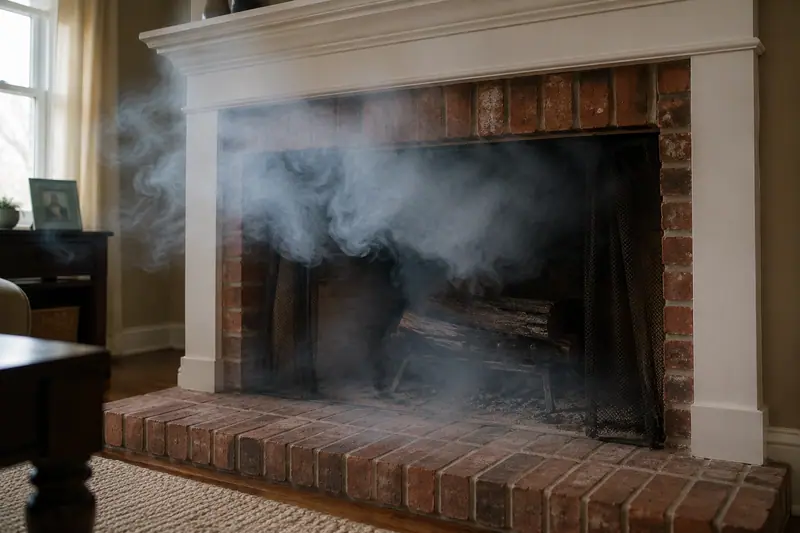
A professional inspection gives the definitive answer. Short of that, watch for warning signs: heavy smoke in the room, strong odors of creosote or moisture, difficulty starting a draft, visible cracks in the firebox or chimney, or water stains on walls and ceilings. If you see any of these, stop using the fireplace and schedule an inspection immediately.
Who do you call to check your fireplace?
Call a certified chimney sweep and inspector with experience in Columbus area homes. Contact Chimcrew - Chimney Sweep & Repair at (614) 683-5763 for inspections, sweeps, and repairs. You can also request our complimentary initial assessment via the lp free inspection page.
Ready to get started? Contact Chimcrew - Chimney Sweep & Repair today.
Call (614) 683-5763Request service online