
6 Gas Fireplace Warning Signs to Inspect in Columbus
By Chimcrew - Chimney Sweep & Repair Editorial Team · 4 min read
If you spot visible soot, a yellow flame, the smell of gas, pilot light trouble, condensation on vents, or unusual noises from your gas fireplace, those are all valid reasons to inspect the appliance now. This post lays out the six specific warning signs, immediate safety steps to take, what a professional inspection includes, when to treat problems as emergencies, and how local Columbus conditions affect your fireplace.
TL;DR
- If you smell gas or suspect carbon monoxide, evacuate and call emergency services immediately.
- Visible soot, yellow flames, or condensation are high-priority warning signs that warrant a same-day inspection.
- A professional inspection covers combustion testing, vent and chimney assessment, gas-line checks, and safety control evaluation.
- Inspection cost varies with access, appliance age, required tests, and any needed chimney repairs or parts.
- Chimcrew can help you identify risks and provide an on-site estimate; you can call or book online.
Six gas fireplace warning signs
These are the specific, observable problems that justify a professional gas fireplace inspection.
- Visible soot or staining on the firebox, surround, or chimney top
Soot indicates incomplete combustion or poor venting; schedule an inspection within 48 hours to avoid buildup that can harm seals and vents. - Persistent smell of gas inside or near the fireplace
Evacuate the home, call 911 and your gas utility immediately, and do not operate switches or the fireplace until a professional confirms safety. - Yellow or orange flame color, or sooty/lingering smoke
A properly adjusted gas flame should be mostly blue; a yellow flame suggests combustion problems. Request a same-day inspection. - Pilot light problems or frequent cycling (won't stay lit, flickers out)
Pilot or control failures can point to a failing valve or thermocouple; book a diagnostic within 48 to 72 hours. - Excess condensation, soot, or residue on vents or glass
Condensation on vents or glass can mean blocked flues or poor draft; arrange an inspection to check venting and chimney condition. - Unusual noises, rattling, or vibration when the unit runs
Noise can indicate loose parts, failing blower motors, or drafting turbulence; inspect to prevent further damage.
Immediate safety steps if you suspect a gas problem
- Evacuate everyone from the home if you smell gas or anyone has headache, dizziness, nausea, or confusion
- From a safe location, call 911 and your gas utility to report a suspected leak
- Do not operate light switches, appliances, or your fireplace before the area is declared safe
- If safe to do so, open doors and windows to ventilate while you wait for emergency responders
- Avoid using phones or electronics inside the house to prevent sparks
What a professional inspection covers
A full gas fireplace inspection is more than a quick look. Expect these core tasks: visual firebox and vent inspection, chimney and flue assessment for cracks or blockages, combustion analysis to confirm the flame is burning cleanly, carbon monoxide testing inside and near the appliance, gas-line and pressure checks for leaks, testing of safety controls, valves, and pilot assemblies, and a report with recommended repairs or cleaning. If the chimney needs sweeping or masonry work, the technician will note whether crown replacement, liner installation, or chimney repair is necessary.
After you review this information and your report, consider following up with the appropriate service page for a repair or deeper visit. For gas-specific service and repairs, Chimcrew offers dedicated gas fireplace service options at gas fireplace service.
Should you call now or wait?
Use this quick guide to prioritize your next steps based on what you find.
Potential gas leaks and carbon monoxide exposure are immediate dangers.
These signs point to unsafe combustion or venting that can worsen quickly.
Control or valve faults often are fixable but should not be left unassessed.
Regular checks catch slow-developing issues and keep your appliance efficient.
How Columbus climate and home types affect inspections
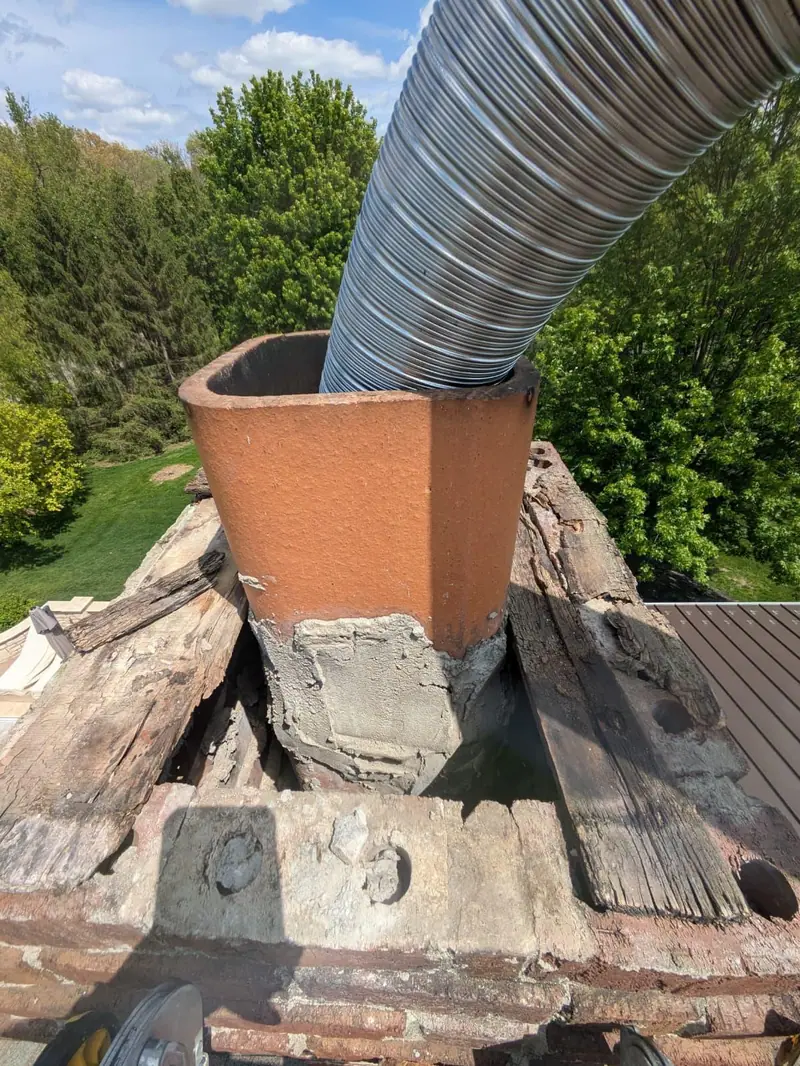
Columbus winters are cold and can reduce natural draft, which increases the likelihood of backflow and condensation inside chimneys. Older masonry chimneys common in many Columbus houses can develop cracked crowns, deteriorated mortar, or gaps in liners that compromise venting. When a technician inspects your system, they will pay special attention to draft, flue condition, and whether a chimney cap or crown needs replacement to prevent water and downdraft damage. If your home has a ventless unit, the inspector will evaluate room ventilation and recommend safer alternatives if needed.
How to prepare for your Chimcrew inspection
- Clear the area around the fireplace and provide safe access to the chimney chase, attic, or roof if requested
- Gather your appliance manual and note when issues began and any recent maintenance
- Secure pets and make space for a technician to work
- If you have a carbon monoxide detector, note its location and whether it has signaled recently
Factors that affect inspection and repair price
Understanding what sets price helps you evaluate estimates and avoid surprises.
Units tucked behind built-ins, high chimneys, or tight attic access take more time and specialized equipment.
Older fireplaces may need obsolete parts or additional diagnostics to locate intermittent faults.
Combustion analysis, carbon monoxide testing, and pressure/leak checks require specialized meters that can increase the visit cost.
If the inspection finds a damaged flue, need for chimney crown replacement, liner installation, or masonry chimney repair, that elevates the total bill.
Valves, control modules, pilot assemblies, or glass replacement add part and labor charges; you will get an on-site estimate before work begins.
Process timeline from inspection to resolution
Typical timeline:
- On-site inspection and testing: 45 to 90 minutes depending on complexity
- Written report and estimate: provided at the end of the visit or within 24 hours
- Small repairs or replacements: often completed same day if parts are stocked
- Significant chimney repairs, liner installation, or masonry work: scheduled and quoted separately, with timelines that depend on scope and permits
This gives you a predictable path from diagnosis to repair so you can plan accordingly.
Local credibility and next steps
If you recognize any of the warning signs listed here, decide quickly using the decision guide above. To schedule an inspection in Columbus, call Chimcrew at (614) 683-5763 or use online booking on the service pages linked above. Chimcrew technicians have local experience working on Columbus fireplaces and chimneys and will provide a written inspection report and on-site estimate before any repair work begins. If you suspect a gas leak or CO exposure, follow the emergency steps first, then contact your utility and a professional inspector.
Columbus factors that change how fireplaces behave
Columbus winters bring cold, dense air that can worsen draft problems and push exhaust back down flues if chimneys are partially blocked. Many older Columbus homes have tall masonry chimneys that need liner inspection or crown repair to keep venting safe. Local building departments may require permits for significant chimney repairs or liner installations, so expect a technician to note any permit needs in their report.
Expert note: when to consider replacement or major chimney repair
Frequently asked questions
Is my gas fireplace safe?
A visual check can catch many problems, but safety depends on combustion performance, venting, and control function. If you see soot, a yellow flame, smell gas, or notice pilot trouble, treat it as potentially unsafe and book a professional inspection. Chimcrew can perform combustion and carbon monoxide testing, assess venting and the chimney, and provide a written safety report.
How often should you get your gas meter checked?
Your gas meter is maintained by the utility, but you should have your gas appliance and supply lines inspected annually. If you detect any odor of gas, unusual appliances behavior, or suspect a leak, contact your gas utility immediately and arrange a professional inspection for your fireplace.
How much does it cost to get a gas fireplace inspected?
Inspection pricing varies with access, testing needs, and whether the chimney requires cleaning or repairs. Base inspections cover visual checks and combustion testing; add-on services such as chimney sweep, liner installation, or masonry repair increase the cost. You will receive an on-site estimate from Chimcrew after the assessment.
Where do the fumes go in a ventless gas fireplace?
A ventless gas fireplace releases combustion products directly into the room by design. Because of that, it relies on adequate room ventilation and strict manufacturer limits. If you notice persistent odors, condensation, or health symptoms, stop using the unit and schedule an inspection to evaluate whether the ventless model is appropriate for your space or if a vented alternative is safer.
Ready to get started? Contact Chimcrew - Chimney Sweep & Repair today.
Call (614) 683-5763Request service online