
Masonry spalling and mortar loss on an Olde Towne chimney: What staged Masonry Chimney
If you own an older brick chimney in Olde Towne or one of Columbus's historic neighborhoods like German Village, Victorian Village, or the Short North, you are likely familiar with freeze-thaw damage that shows up as spalling and mortar loss. Columbus winters force water into small cracks, then freeze expansion breaks brick faces and washes out joints. You need staged, practical repairs that stop water now and restore the chimney's structure for years to come. For repairs and an on-site assessment, call Chimcrew - Chimney Sweep & Repair at (614) 683-5763 or schedule through our chimney repair columbus page.
This guide walks you through: how spalling and mortar loss happen, staged repair options from quick protective measures to full rebuilds, realistic timeframes for each stage, common costs you should expect, and preventive steps that work for Columbus weather and the Olde Towne building stock.
Key takeaways
- Spalling and mortar loss on Olde Towne chimneys usually result from Columbus freeze-thaw cycles and trapped water.
- Staged repairs begin with immediate water-proofing and temporary flashing, followed by targeted tuckpointing, brick replacement, crown or cap repair, and full rebuilds if necessary.
- Most staged repairs are completed in a single day to a few days; full rebuilds take several days to a week depending on complexity.
- Correct diagnosis and preventive measures, including a certified chimney cap and repaired crown, stop new water intrusion and extend chimney life.
Why Olde Towne chimneys spall and lose mortar in Columbus
Columbus sits in a climate with cold winters, warm humid summers, and frequent freeze-thaw cycles from late fall through early spring. Historic chimneys in neighborhoods near the Scioto River or older parts of Clintonville were often built with softer bricks and mortars that are more porous. That combination of materials and weather creates three common failure modes:
- Water penetration through a cracked crown or missing cap, which soaks into bricks and mortar.
- Freeze expansion that flakes off brick faces, called spalling, leaving weakened surfaces behind.
- Mortar joint erosion from wind, rain, and acidic flue gases, leaving gaps and unstable brick beds.
Left unaddressed, these problems let more water in, accelerating deterioration and risking interior leaks or structural failure. Your first step is a professional inspection that documents active water paths and the severity of brick and joint damage.
Staged masonry chimney repair options that prevent water intrusion
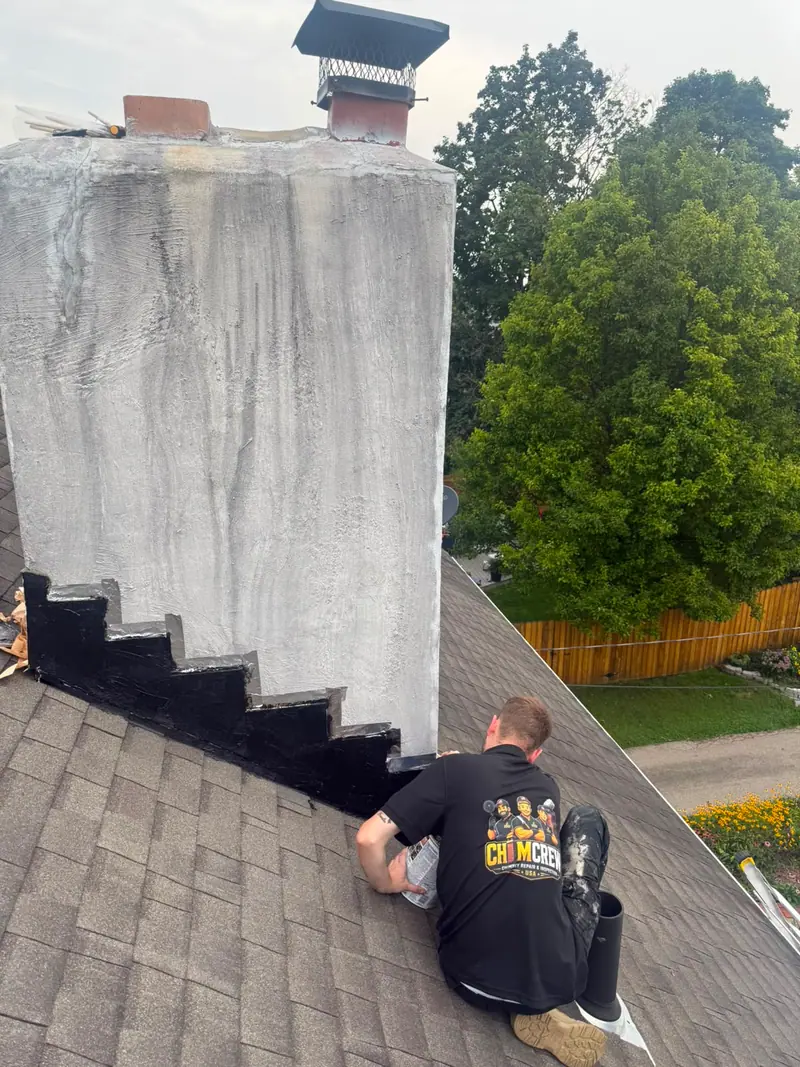
A staged approach protects your property now and targets repairs based on severity. Chimcrew - Chimney Sweep & Repair evaluates your chimney and proposes staged work to prioritize water control, then structural restoration. Typical stages are:
- Stage 1: Immediate water control
- - Install or repair a chimney cap to stop rain and bird entry.
- - Apply temporary flashing repairs where roof-to-chimney seals are failing.
- - Clean weep holes and remove debris from the flue top to restore drainage.
- Stage 2: Surface repairs and repointing
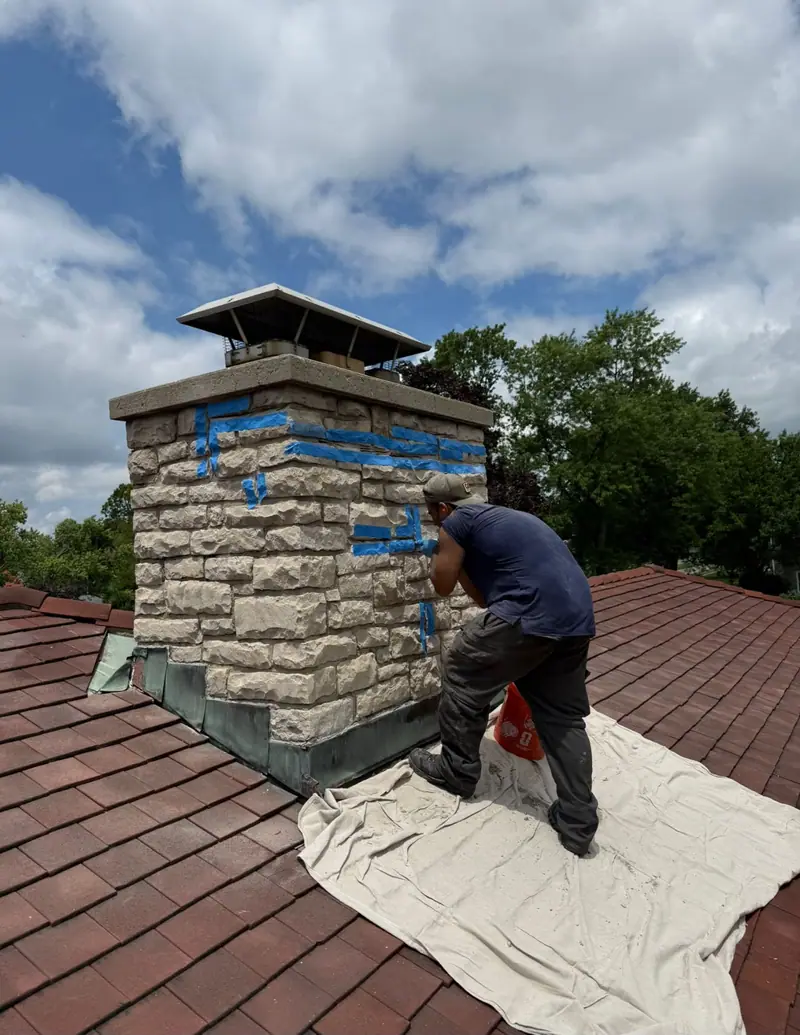
- - Tuckpointing to replace lost mortar in joints using mortar matched to historic composition.
- - Replace severely spalled bricks with matching units and bond them correctly for strength.
- Stage 3: Crown and crown repair or replacement
- - Repair cracks in the concrete crown or replace the crown with a poured or premade crown that sheds water away from the stack.
- Stage 4: Long term prevention
- - Install a stainless steel cap with proper fit and Z-vents or spark arrestors as required.
- - Apply breathable water repellent to intact brick surfaces where appropriate.
- Stage 5: Partial or full chimney rebuild
- - When brick and mortar are severely compromised across multiple wythes, a rebuild section or full rebuild preserves safety and longevity.
You can read more about targeted mortar work and our approach on our services chimney mortar repair and services chimney spalling repair pages.
Which repair option fits your chimney and how long each takes
Timeframes depend on the stage required. Chimcrew - Chimney Sweep & Repair schedules work to minimize disruption and to complete seasonal priorities before freeze-up in late fall.
- Emergency water control and cap installation: same day to 1 day.
- Tuckpointing and localized brick replacement: 1 to 2 days for a typical single-flue residential chimney.
- Crown repair or replacement: 1 to 2 days, allowing proper cure time for poured crowns.
- Application of breathable water repellent: 1 day, usually after mortar has cured.
- Partial rebuild of a few courses: 2 to 4 days depending on access and matching bricks.
- Full rebuild from roofline to flue termination: 4 days to a week, sometimes longer for complex historic restorations.
Weather, scaffold needs, and permit requirements can extend these estimates. We communicate a clear schedule before starting and keep you updated during work so you know when tradesmen will be on site.
Cost factors and what you can expect to pay in Columbus
Costs vary by scope, materials, and the need for scaffold or roof work. Factors that affect price include:
- Extent of spalling and number of bricks to be replaced.
- Amount of tuckpointing in linear feet.
- Whether crown replacement or a simple crown patch is needed.
- Need for stainless steel caps, custom flashing, or scaffolding.
Typical ranges you may see in Columbus are:
- Minor tuckpointing and cap installation: budget-oriented repairs may begin in the lower hundreds to around one thousand dollars.
- Moderate tuckpointing with multiple brick replacements and crown repair: often runs from a few hundred to several thousand dollars depending on size.
- Large partial rebuild or full rebuild: several thousand to over ten thousand dollars for complex historic chimneys.
For a written estimate tailored to your chimney in Olde Towne, schedule an inspection with Chimcrew - Chimney Sweep & Repair. We provide transparent pricing and prioritize the immediate steps to stop water intrusion. You can read more about our masonry services on our services chimney masonry repair page.
How to prepare and what to expect on repair day
Preparing for masonry chimney repair helps the crew work efficiently and reduces disruption:
- Clear attic space above the chimney if the crew needs interior access for flashing or chase inspections.
- Protect landscaping and HVAC units close to the chimney with drop cloths; Chimcrew - Chimney Sweep & Repair handles protection but homeowner cooperation helps.
- Expect noise from chisels, mortar mixing, and scaffold activity. Work is typically done during normal business hours.
On-site the crew will:
- Perform a final safety walk and set up protected work zones.
- Use tarps and vacuum systems to limit dust and falling debris.
- Walk you through the repair steps and provide a timeline and care instructions for the finished work.
After repair, we leave a checklist and contact information. You can call (614) 683-5763 for any follow-up questions or to schedule a maintenance sweep.
Preventive maintenance specific to Columbus homes
To reduce future spalling and mortar loss, adopt a preventive plan matched to Columbus seasons:
- Annual sweep and inspection in late spring or early summer after freeze-thaw season.
- Repair or replace worn caps and flashing before fall rains and winter freezes.
- Apply breathable water repellents only to sound bricks, not to already spalled units.
- Address interior chimney moisture sources: condensation from high-efficiency appliances and blocked flues. We can inspect these issues during a routine service.
Chimcrew - Chimney Sweep & Repair provides scheduled maintenance plans and can coordinate timing so critical repairs happen before hard freezes. For cap and crown options, see our services chimney-cap-repair and services chimney-crown-repair pages.
Frequently asked questions
How much does it cost to repair a masonry chimney?
Costs range widely based on needed work. Minor tuckpointing and a cap can be in the lower hundreds to around one thousand dollars. Moderate repairs with multiple brick replacements and a crown repair typically run into the low thousands. Full or large partial rebuilds for older chimneys may cost several thousand to over ten thousand dollars. Chimcrew - Chimney Sweep & Repair provides on-site inspections and written estimates for Columbus properties so you know exactly which stage is required and the price to stop water intrusion.
How to fix a crumbling brick chimney?
Fixing a crumbling chimney starts with stopping water entry. Chimcrew - Chimney Sweep & Repair will assess if you need immediate cap, flashing, or crown work. Next steps often include removing and replacing damaged bricks, tuckpointing deteriorated mortar joints with a compatible mortar, and applying a breathable water repellent if appropriate. For severely compromised chimneys we recommend partial or full rebuilds using matching materials and proper bonding. We handle each stage in Columbus neighborhoods with respect for historic materials and building codes.
Is chimney repair covered by homeowners insurance?
Insurance coverage depends on cause. Sudden, accidental damage such as a tree fall may be covered. Progressive damage from wear, neglect, or long-term water intrusion is usually excluded. If damage follows a covered peril like a windstorm or fire, your policy may cover repairs. Chimcrew - Chimney Sweep & Repair documents damage and can provide photos and repair estimates to support claims when applicable. Always check your policy and talk to your agent for specifics.
What is the 3:2-10 rule for chimneys?
The 3:2-10 rule is a guideline for chimney height and placement to ensure proper draft and reduce turbulence from the roof. It states that the chimney should extend at least 3 feet above the roof penetration and 2 feet higher than any portion of the roof within 10 feet horizontally. Chimcrew - Chimney Sweep & Repair inspects chimney height during evaluations in Columbus to confirm compliance and recommends adjustments when needed to maintain safety and proper performance.
Ready to get started? Contact Chimcrew - Chimney Sweep & Repair today.
Call (614) 683-5763Request service online