7 Signs Your Chimney Crown Needs Replacement in Columbus
By Chimcrew - Chimney Sweep & Repair Editorial Team · 3 min read
Yes. If you see any of these three urgent signs now: large cracks across the crown, water leaking into the ceiling or chimney breast after rain, or pieces of masonry falling from the chimney crown, you should arrange an inspection this week.
Beyond those three, six other common, actionable signs point toward replacement and are described below. Read through the list, decide which signs apply, and use the quick steps at the end to schedule an inspection or get a photo-based assessment.
TL;DR
- Large cracks, interior leaks after rain, and falling masonry are urgent signs requiring immediate inspection.
- Costs in Columbus vary by chimney size, roof access, needed masonry repairs, and season; simple jobs are much cheaper than multi-flue or high-roof replacements.
- A photo-based triage followed by a 30-60 minute inspection gets you a written estimate within 24 to 48 hours.
- Temporary patching can help short-term, but repeated failures often mean full crown replacement is the smarter long-term choice.
Seven chimney crown replacement warning signs
These signs are ordered by urgency. Check from the ground or with photos; call for an inspection if any of the first three appear.
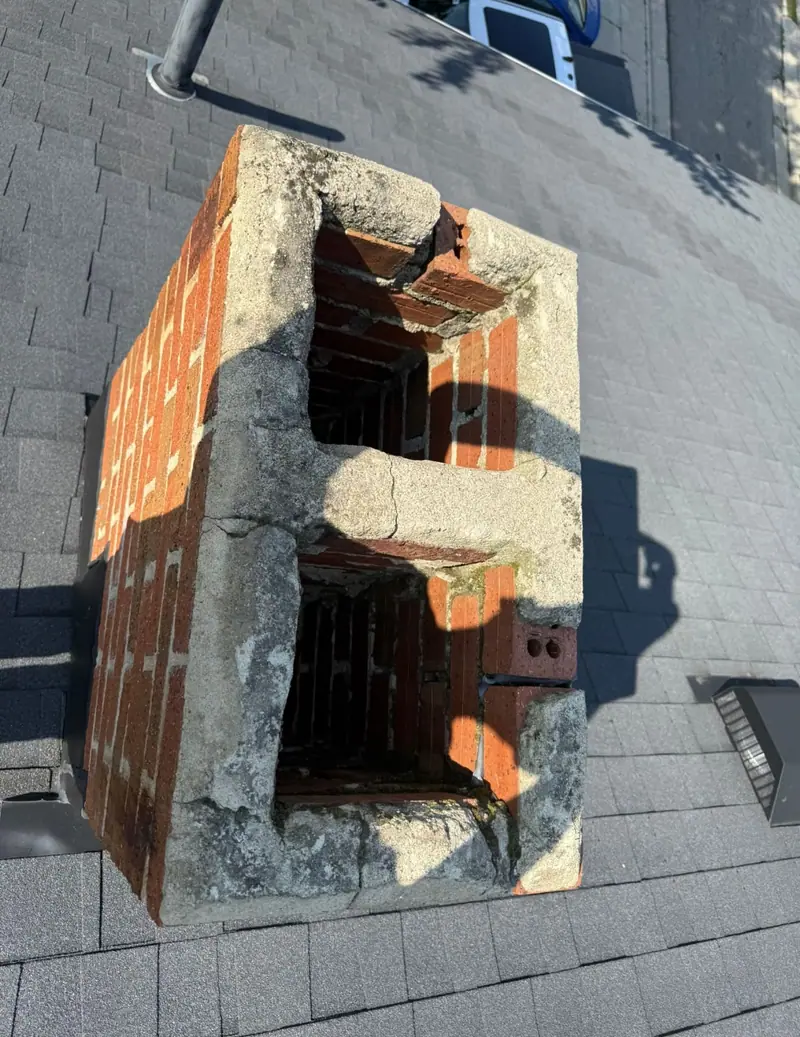
- Large vertical or horizontal cracks across the crown
Cracks that run across the crown allow water to reach the masonry. If you see continuous cracks wider than a hairline, have it inspected this week. - Interior ceiling or chimney breast leaks after rain
Water entering your home after storms indicates the crown is failing to shed water. Treat this as urgent and arrange an inspection right away. - Loose or falling masonry near the crown
Any spalling, loose bricks, or mortar falling from the top of the chimney is an immediate safety risk. Stop using the fireplace and call for an inspection. - Pooling water on the crown surface
Standing water shows the slope or drip edge is compromised. Photograph and schedule repair within weeks before freeze cycles worsen it. - Crown edge crumbling or severe spalling
Surface loss along the crown edge reduces protection. If the edge looks eaten away, plan replacement within the season. - Visible patchwork that keeps failing
Multiple DIY or professional patches that return after a season usually mean the crown needs replacement rather than more patching. - Rust stains or corrosion near the crown or cap
Rust from an old cap or fasteners can indicate water penetration. Check the cap and flue and combine with a crown inspection.
What a chimney crown does (in one paragraph)
The chimney crown is the sloped concrete or mortar cap that sits on top of the chimney and directs water away from the flue and masonry. Its primary job is to keep rain and snow from soaking the brick or mortar below. When a crown cracks, crumbles, or loses its drip edge, water can penetrate the chimney and accelerate masonry failure, rot in adjacent roof framing, and interior leaks.
Why you should not delay
Delaying replacement increases repair cost and risk. Water that bypasses a failed crown soaks the top course of bricks and mortar, causing spalling. Over time the chimney can lose structural integrity, lead to interior water damage, mold, or damage to the fireplace framing. In Columbus, repeated freeze and thaw cycles can turn a small crack into a full failure within one winter, turning a modest repair into a masonry rebuild.
Local cost factors that determine Columbus pricing
Several variables change the final price. Use these to estimate whether a simple repair or full replacement is likely.
Larger crowns or multi-flue crowns use more material and labor, increasing cost.
Tall chimneys or steep roofs require more safety equipment and time, which raises the price.
If bricks or mortar need tuckpointing or rebuilding near the crown, expect additional masonry charges.
Concrete crowns are common and economical; custom concrete with reinforcement or specialty finishes cost more.
Some neighborhoods require permits or review; that adds time and potential fees.
Spring and fall have higher demand; mid-summer can be slightly less busy, which may help scheduling and pricing.
Quick decision guide: patch or replace?
Use this decision guide to pick an immediate action:
- If the crown has hairline cracks and no interior leaks, a temporary patch may be reasonable while you plan replacement.
- If cracks are wide, water is entering the home, or material is falling, full replacement is the correct choice.
- If previous patches have failed within a season, replace the crown rather than keep patching.
If you remain unsure, schedule an inspection to get a clear recommendation and a written estimate.
How to prepare your home for a crown replacement
- Clear the driveway and area near your garage for the crew to park and stage materials
- Secure or confine pets and keep children away from work areas
- Move fragile items from the chimney vicinity and attic near the chimney if the crew needs interior access
- Take photos of interior stains or leak locations to show the inspector
- Provide clear roof access if you have a safe ladder and an agreed plan; otherwise let the crew bring equipment
Inspection to replacement: realistic Columbus timeline
Typical windows so you know what to expect when you call for an inspection.
- 1Initial triage
Phone call or photos by text/email. Technician advises urgency based on images, often within the same business day. - 2On-site inspection
A 30 to 60 minute inspection verifies crown condition, checks caps and flashing, and identifies any masonry work. Many local crews can inspect within 48 hours for urgent issues. - 3Estimate delivery
Written estimate typically follows within 24 to 48 hours of inspection. The estimate will list patch versus full replacement options and any masonry scope. - 4Scheduling the work
Simple crown replacements are often scheduled within one to two weeks. Complex jobs requiring masonry rebuilds or permits can take longer. - 5Replacement day(s)
A straightforward crown replacement can take a few hours. Jobs with extensive brick repair or scaffolding typically require one to two days. - 6Follow-up
Technician inspects finish, clears the site, and explains maintenance to help the crown last longer.
Repair versus replacement options and related services
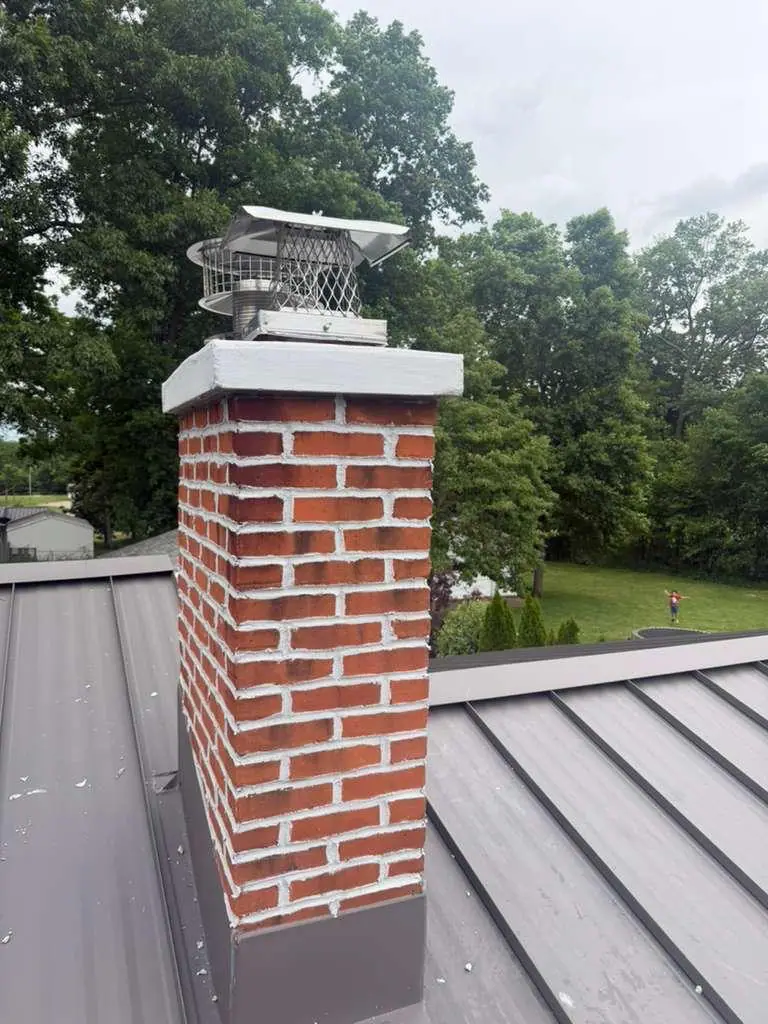
If a crown is marginal but not failed, a short-term patch can stop leaks for a season. For lasting protection, a poured concrete crown with proper slope and drip edge or a professionally formed replacement is the durable solution. While inspecting the crown, consider having the crew check the chimney cap and flue for related issues; a damaged cap can let water in even with a good crown. Chimcrew also offers chimney cap replacement and broader chimney repair if the masonry needs attention.
Why choose Chimcrew for a crown inspection and replacement
Chimcrew is a local Columbus team that can inspect your chimney, explain the options, and provide a written estimate. After you have the inspection and estimate, consider scheduling a full crown replacement if recommended. For a detailed service page on full crown replacement options and what to expect, see this page: services chimney crown replacement.
Columbus-specific insight
Freeze and thaw cycles in central Ohio are a primary driver of crown failure because water that soaks into tiny cracks expands when it freezes. Older Columbus homes with traditional brick chimneys and small crowns are especially vulnerable. Spring storms and melting snow expose existing weaknesses, so many homeowners schedule work in late spring or early fall to avoid winter complications. In historic or regulated neighborhoods you may need a permit or review for visible masonry changes; check with your local municipal office before making changes that alter exterior appearance.
Next steps
If you see any of the three urgent signs listed at the top, arrange an on-site inspection this week. For non-urgent but concerning signs, send photos and your address for a photo-based triage, or book a standard inspection. When you call or message, have these ready: address, photos of the crown and any interior stains, and a few preferred appointment times.
Contact options
Call Chimcrew at (614) 683-5763 to request an inspection or photo triage. Expect to provide your address and a brief description of what you observed; the team will advise urgency and available appointment windows.
Frequently asked questions
How do you know if a chimney needs cleaning?
Look for dark, flaky creosote buildup inside the firebox, slow draft or smoky smells when you run a fire, or visible soot stains on the flue or cap. If you have not had a professional chimney sweep in the last year (or less for frequent wood-burning use), schedule a chimney cleaning and inspection to confirm creosote levels and safety.
What is the 3-2-10 rule for chimneys?
The 3-2-10 rule refers to chimney height relative to the roof: the chimney should be at least 3 feet higher than the point where it passes through the roof, and at least 2 feet higher than any roof or structure within 10 feet horizontally. This guideline helps ensure proper draft and prevent smoke backflow. If your chimney does not meet that profile, an inspection will note whether modifications are needed.
How do I unblock my chimney?
Do not attempt to unblock a chimney yourself. Blockages can be sitting animals, nests, debris, or collapsed mortar. A professional chimney sweep uses brushes, vacuums, and inspection cameras to remove obstructions safely and assess for damage. If you suspect a blockage, arrange a sweep and inspection promptly to avoid carbon monoxide or smoke hazards.
What does an unsafe chimney look like?
Signs of an unsafe chimney include heavy creosote buildup, large cracks in the crown, loose or falling masonry, interior leaks after rain, visible signs of chimney leaning, or a flue liner that is cracked or missing. Any of these conditions merit an immediate inspection and often require repair before the chimney is used again.
Ready to get started? Contact Chimcrew - Chimney Sweep & Repair today.
Call (614) 683-5763Request service online