How do I tell if my fireplace is safe to use?
If you live in Columbus and use a fireplace in Clintonville, German Village, or near the Ohio State University area, you need practical ways to check safety before lighting a fire. Seasonal changes here lead to wet springs and cold winters, which increase chimney moisture and creosote buildup. A professional fireplace inspection is the best way to confirm safety, but you can perform a few immediate checks to decide whether to use the fireplace now or call for service.
This guide explains the visible signs of trouble, what a certified inspection covers, routine maintenance you should do, and when to contact Chimcrew - Chimney Sweep & Repair for a full inspection or repair.
Key takeaways
- Visible cracks, heavy creosote, or smoke backflow are clear signs your fireplace needs professional attention.
- A Level 1 or Level 2 fireplace inspection follows national standards and identifies safety risks specific to your chimney type.
- Call a certified chimney sweep or technician when you smell gas, see structural damage, or after an appliance change.
- Routine inspections and minor repairs are less costly than replacing a chimney liner or repairing water damage later.
Visible signs that your fireplace may be unsafe
You should not use your fireplace if you notice any of these clear problems. These are things you can confirm without climbing on the roof.
- Strong, persistent odor of creosote or burnt material in the room, not just in the chimney.
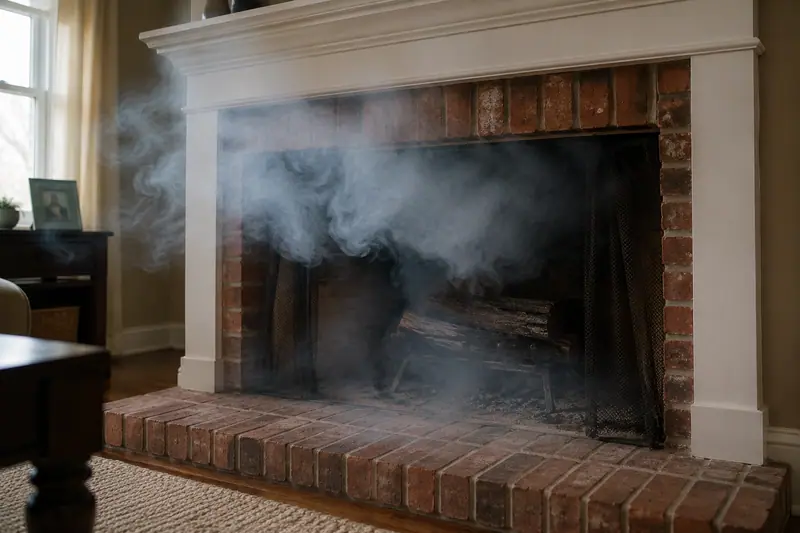
- Smoke that pours back into the room during ignition or when the fire is burning.
- Soot, excessive creosote deposits visible on the firebox or damper, or flaky black residue inside the flue.
- Cracked or crumbling masonry around the firebox, chimney exterior, or hearth.
- Rust on metal parts, warped damper, or loose firebox panels.
- Water stains on the ceiling around the chimney, peeling paint, or dampness on nearby walls.
- Sounds of animals or nesting material inside the chimney, or visible gaps at the chimney crown or cap.
If you live near the Scioto Mile, Victorian Village, or Franklinton, wind and city weather patterns can worsen smoke drafting issues. Any of the items above are reasons to stop using the fireplace and schedule an inspection.
What a professional fireplace inspection includes
A professional assessment follows the Chimney Safety Institute of America guidelines and comes in different levels depending on what you own and recent work done. For a standard home use case, a Level 1 inspection is the starting point. You can learn more about our approach on our services level 1 inspection page.
Typical tasks during an inspection include:
- Visual examination of the firebox, damper, and flue from the room.
- Interior flue inspection using a camera if needed to document creosote, blockages, or liner condition.
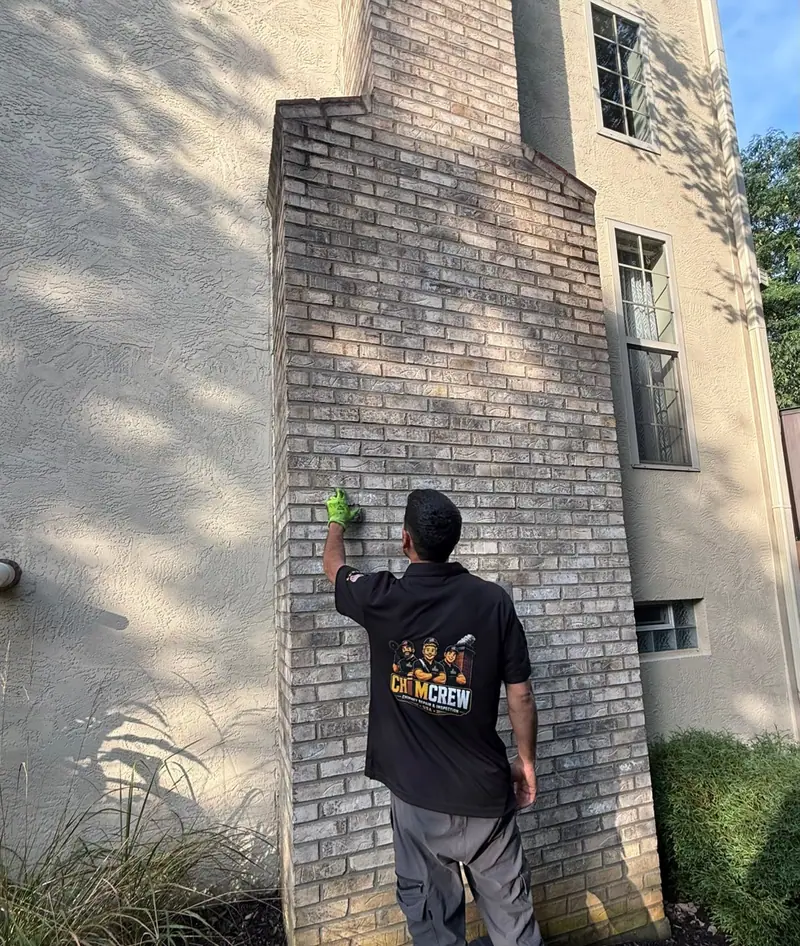
- Checking for cracks, mortar deterioration, and chimney settling that can allow heat and gases to escape to combustible framing.
- Assessment of the chimney cap, crown, and flashing for water entry points.
- For gas units, verification of proper connections, venting, and pilot device function.
A Level 2 inspection is required after ownership changes, heating appliance replacements, or for chimneys damaged by fire or storm. We offer Level 2 inspections when a more invasive or camera-based review is necessary. See our services level 2 inspection for details.
Common issues found and typical repairs
Inspections often reveal a handful of repeat problems in Columbus homes. Understanding them helps you plan and budget.
- Creosote buildup: Heavy deposits require professional chimney cleaning to prevent chimney fires. A chimney sweep removes soot and reduces ignition risk.
- Damaged chimney liner: A cracked or missing liner demands chimney liner installation to protect the masonry and your home from heat and combustion gases.
- Chimney crown or cap damage: A broken crown allows water into the chimney. We perform chimney crown replacement and chimney cap replacement to stop leaks and prevent animal intrusion.
- Masonry problems: Cracked bricks and deteriorated mortar need masonry chimney repair to restore structural integrity.
- Gas fireplace issues: Faulty valves, pilots, or venting need experienced technicians. We provide services gas fireplace service and can advise on safe operation.
- Firebox repairs: Cracked firebox or damaged refractory requires services wood fireplace repair to ensure safe combustion.
Minor repairs such as cap replacement or crown repair are often straightforward. Larger jobs like full liner replacement or extensive masonry repair require scheduling and a written estimate.
Simple checks you can do right now
Before you light a fire, run these quick checks. They do not replace a certified inspection, but they help you spot immediate danger.
- Look up the flue with a flashlight. Can you see heavy black deposits, or a missing liner?
- Open the damper. Does it move freely and seal when closed? A stuck damper can let heat escape.
- Inspect the hearth and firebox for visible cracks or exposed metal studs.
- Smell for gas odor near a gas fireplace. If you smell gas, leave the house and call (614) 683-5763 and your gas company.
- Check the chimney cap. If the cap is missing or sitting askew, animals or rain can enter.
If any of these checks raise concern, do not use the fireplace. Call for a professional inspection.
Who to call and when to schedule a professional inspection
You should call a certified chimney sweep and inspector when you detect any of the issues listed above, after severe storms, or if you have not had a fireplace inspection in the last year. For a prompt, documented assessment, schedule a free evaluation with Chimcrew - Chimney Sweep & Repair by visiting our lp free inspection page or calling (614) 683-5763.
We are licensed to perform inspections, chimney sweeping, repairs, and gas fireplace service. A professional inspector will give you a report with photos, a clear statement of hazards, and recommended repairs prioritized by safety risk and cost.
Preventive maintenance schedule and cost expectations
Regular maintenance lowers long term costs and reduces safety risk. For Columbus homes we recommend:
- Annual inspection for gas and frequently used wood fireplaces.
- Chimney sweeping at least once a year for wood burning fireplaces, more often if you burn heavily or use green wood.
- Immediate inspection after unusual smoke backflow, visible damage, or if you change appliances.
Cost examples vary with the work required:
- Basic Level 1 inspection: modest fee or complimentary during promotions; check our free inspection offer for current details on the lp free inspection page.
- Chimney cleaning and creosote removal: depends on buildup and chimney height.
- Chimney cap replacement, crown repair, or minor masonry work: moderate.
- Liner installation or major masonry chimney repair: higher cost but critical for safety.
We provide written estimates before any work. A timely small repair often prevents larger expenses later.
Next steps and booking an inspection
If you suspect a problem, do not delay. Stop using the fireplace until a professional inspects it. To schedule an inspection with Chimcrew - Chimney Sweep & Repair call (614) 683-5763 or request our free inspection at lp free inspection. When you call, have these details ready:
- Type of fireplace: wood or gas.
- Recent changes, such as new heating appliances or visible roof damage.
- Any symptoms you noticed: smoke backflow, odors, or water leaks.
A timely inspection protects your family and your property. Our team will prioritize safety, document findings, and explain your options clearly.
Frequently asked questions
What is included in a fireplace inspection?
A professional inspection includes a visual examination of the firebox, damper, and accessible areas of the flue, an assessment of the chimney cap, crown, and flashing, and documentation of masonry or liner damage. Technicians often use a camera to inspect the interior of the flue and will evaluate for creosote buildup, blockages, and structural defects. For more technical needs, a Level 2 inspection includes video and may require partial dismantling or roof access.
Do fireplaces need to be inspected?
Yes. Fireplaces and chimneys should be inspected regularly. Wood burning fireplaces generally need an annual inspection and cleaning due to creosote buildup. Gas fireplaces should be inspected annually as well to verify proper venting and safe gas connections. If you move into a new home, change appliances, experience a chimney fire, or see visible damage, schedule an inspection right away.
Who do you call to check your fireplace?
Call a certified chimney sweep or chimney services company with experience in inspections, sweeping, and repairs. In Columbus, contact Chimcrew - Chimney Sweep & Repair at (614) 683-5763 or request a free inspection at our lp free inspection page. We perform inspections, chimney cleaning, gas fireplace service, liner installations, and masonry chimney repair.
How do I tell if my fireplace is safe to use?
Look for warning signs before lighting a fire: heavy creosote or soot, smoke backing into the room, cracks in masonry, water stains on ceilings, or a missing chimney cap. If you smell gas, detect excessive rust, or see structural damage, do not use the fireplace. These observations mean you need a professional fireplace inspection and possible repairs. Schedule a certified inspection to confirm safety and receive documented recommendations.
Ready to get started? Contact Chimcrew - Chimney Sweep & Repair today.
Call (614) 683-5763